
Pyrocumulonimbus cloud

- Pyrocumulonimbus clouds are thunder clouds formed by intense heat from wildfires or volcanic eruptions.
- They can reach heights of 50,000 feet, generate their own thunderstorms, and produce lightning, but little rain.
- Formation:
- Intense heat from wildfires warms surrounding air, which rises, expands, and cools, forming a pyrocumulus cloud.
- With enough water vapor and intense upward movement, these clouds can develop into pyrocumulonimbus clouds.
- Pyrocumulonimbus clouds can spark new wildfires far from the main blaze and trigger strong winds that spread fires quickly.
- Scientists believe climate change may contribute to the increase in pyrocumulonimbus clouds, as wildfires become more common and intense due to soaring global temperatures.
- In 2023, 140 pyrocumulonimbus clouds were recorded in Canada alone, exceeding the previous annual global average of 102.
Latest News
- 09 August 2024:
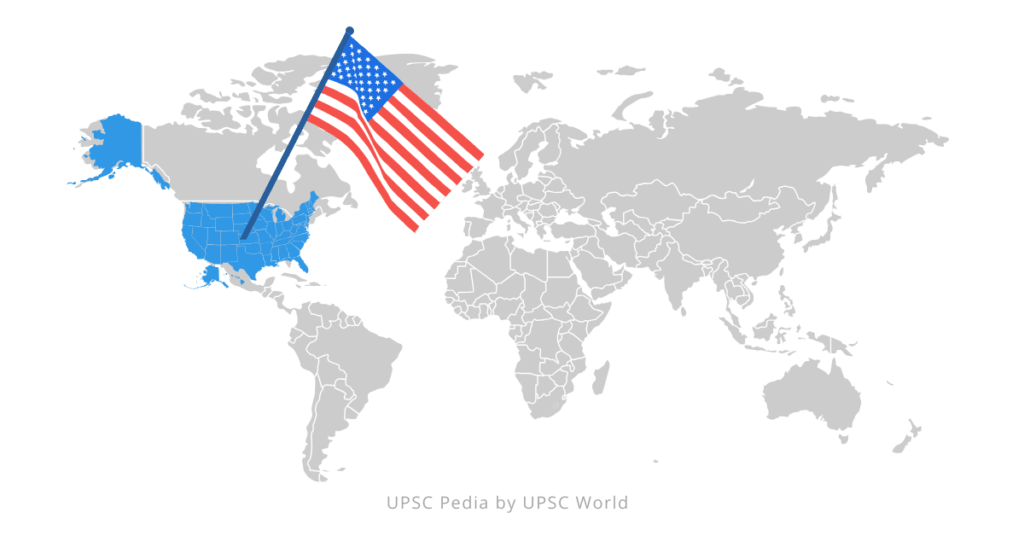
- Wildfires in the United States and Canada have created ‘pyrocumulonimbus’ clouds, which can produce thunderstorms and ignite additional fires.

Responses