
Climate-Resilient Agriculture

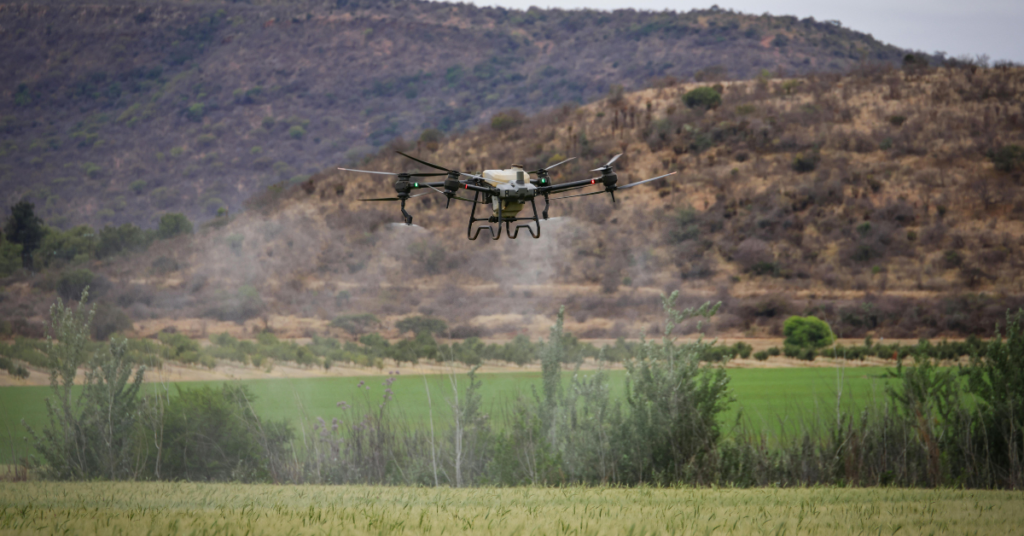
Why in the News?
- India is accelerating the expansion of Climate-Resilient Agriculture (CRA) to address rising climate-change risks to food security, rainfed farming systems, and farmers’ incomes.
- Increasing climate unpredictability, declining soil health, and environmental degradation have made conventional agricultural practices inadequate, especially in rainfed regions.
- With nearly 51 percent of India’s net sown area being rainfed and contributing about 40 percent of food production, climate variability has emerged as a systemic risk to agricultural sustainability.
Basics about Climate-Resilient Agriculture
- Climate-Resilient Agriculturerefers to farming systems that sustainably increase productivity while enhancing the capacity of crops, soils, and farming communities to adapt to climate variability and extreme weather events.
- It integrates biotechnology, ecological practices, and digital technologies to reduce dependence on chemical inputs while maintaining or improving yields.
- The approach seeks to balance food security, farmer income stability, and environmental protection, making agriculture adaptive rather than reactive to climate stress.
- CRA also contributes to mitigation goals by reducing greenhouse gas emissions where possible and converting farms into carbon sinks through conservation practices.
Why India Needs Climate-Resilient Agriculture?
- High Dependence on Rainfed Agriculture
- Nearly half of India’s cultivated land depends on rainfall, making agricultural output highly sensitive to erratic monsoons, droughts, and floods.
- Rising Climate Variability
- Increasing heat stress, irregular rainfall, salinity ingress, and extreme weather events are directly reducing yield stability and farm incomes.
- Limits of Conventional Farming
- Input-intensive farming methods show declining returns under climate stress and have contributed to soil degradation, groundwater depletion, and pollution.
- Scientific models suggest that staple crop yields, such as rice and wheat, could decline by 3–22 percent by the end of the century, and even exceed 30 percent in worst-case scenarios.
- Food Security and Population Pressure
- With a rapidly growing population, India requires stable and reliable agricultural productivity to avoid food shortages and price volatility.
- Strategic and Environmental Imperatives
- CRA reduces reliance on food imports, strengthens strategic autonomy, restores soil health, and supports long-term ecological sustainability.
Core Components and Technologies of CRA
- Biotechnology-Based Interventions
- Use of biofertilizers, biopesticides, and microbial soil enhancers to improve soil health and reduce chemical dependence.
- Genome-Edited and Climate-Tolerant Crops
- Development of crop varieties tolerant to drought, heat, floods, salinity, and pest pressures.
- Digital and AI-Driven Tools
- Application of artificial intelligence and data analytics to integrate climate, soil, and crop variables for location-specific advisories.
- Resource-Efficient Farming Practices
- Techniques such as zero tillage, direct seeding of rice, aerobic rice cultivation, and precision irrigation to conserve water and energy.
- Sustainability Orientation
- CRA aligns productivity enhancement with environmental protection by restoring soil organic carbon and reducing emissions.
India’s Institutional and Policy Framework for CRA
- National Innovations in Climate Resilient Agriculture (NICRA)
- Launched by the Indian Council of Agricultural Research in 2011, it focuses on strategic research, technology demonstration, and capacity building.
- Climate-resilient practices have been demonstrated across 448 climate-resilient villages, enhancing farmers’ adaptive capacity.
- National Mission for Sustainable Agriculture
- It aims to improve productivity in rainfed areas through integrated farming systems, water-use efficiency, and soil health management.
- BioE3 Policy
- It identifies Climate-Resilient Agriculture as a key thematic area for biotechnology-led solutions, supporting the scaling of bio-inputs and resilient crops.
- Digital Agriculture Ecosystem
- Agritech startups and institutions provide AI-enabled advisories, crop-health monitoring, precision irrigation, and yield prediction tools.
- Private and Institutional Support
- Companies such as IFFCO, GSFC, and other biological input producers contribute to reducing chemical dependence in farming systems.
Global Practices in Climate-Resilient Agriculture
| United States | Integrates CRA through the USDA Climate-Smart Agriculture and Forestry initiative with large-scale public investment |
| European Union | Embeds CRA within the Green Deal and Farm to Fork Strategy to reduce chemical inputs and enhance sustainability |
| China | Focuses on climate-tolerant crop breeding, water-saving irrigation, and agricultural digitalisation |
| Brazil | Leads tropical climate-resilient crop development through biotechnology research driven by EMBRAPA |
Challenges in Adopting CRA in India
- Low Adoption among Small and Marginal Farmers
- Limited awareness, affordability constraints, and lack of access reduce adoption rates.
- Quality Issues in Bio-Inputs
- Inconsistent quality of biofertilizers and biopesticides undermines farmer trust.
- Slow Rollout of Resilient Seeds
- Despite the availability of climate-resilient varieties, lab-to-field transfer remains uneven across States.
- Digital Divide
- Low digital literacy and rural connectivity limit the reach of AI-based precision agriculture tools.
- Structural and Policy Constraints
- Fragmented policy coordination, soil degradation, water scarcity, and rapidly accelerating climate volatility compound implementation challenges.
Way Forward for Climate-Resilient Agriculture
- Accelerating Climate-Smart Crop Deployment
- Fast-track development and distribution of genome-edited and climate-tolerant crop varieties.
- Strengthening Bio-Input Regulation
- Improve quality standards, supply chains, and regulatory oversight to build farmer confidence.
- Expanding Digital Access
- Provide affordable digital tools and climate advisories tailored to small landholders.
- Financial and Risk Support
- Enhance access to climate insurance, affordable credit, and targeted incentives during the transition phase.
- Coherent National Roadmap
- Develop an integrated CRA roadmap under the BioE3 framework, aligning biotechnology, climate adaptation, and agricultural policy.




Responses