
Kashmiri willow

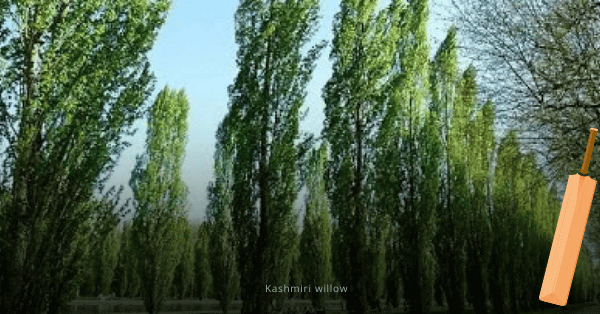
- The Kashmir willow (Salix alba) is a deciduous tree native to the Kashmir region of India.
- It can grow up to 30 meters tall and has a slender trunk with a narrow, conical canopy.
- It takes 20 to 25 years to mature and thrives in moist and temperate climates, especially along riverbanks and in areas with sufficient soil moisture.
- The Kashmir willow forms beneficial relationships with mycorrhizal fungi, enhancing nutrient absorption and overall tree health.
- It was introduced and cultivated extensively during the British colonial era.
Characteristics of Willow
- Willows have a high capacity to convert solar radiation into chemical energy, leading to superior growth and productivity.
- They exhibit high rates of evapotranspiration during the growing season and are tolerant of flooding and oxygen shortage in the root zone.
- They have an efficient ability to accumulate high levels of toxic metals, especially Cadmium (Cd).
Uses of Kashmir Willow
- The wood of the Kashmir Willow is highly prized in the cricket bat industry, where it is used to craft high-quality bats.
- The tree’s strong and flexible branches are used in the packing case industry to create sturdy boxes and crates.
- The willow’s pliable shoots are woven into baskets and furniture, making it a valuable resource for the basketry and furniture industries.
- The wood is also used for other purposes, such as making tool handles, furniture frames, and even musical instruments.
Latest News:
- 17 July 2024:
- Bats made of Kashmiri willow have been gaining international recognition and attention in recent years.



Responses