
U.S. Secret Service

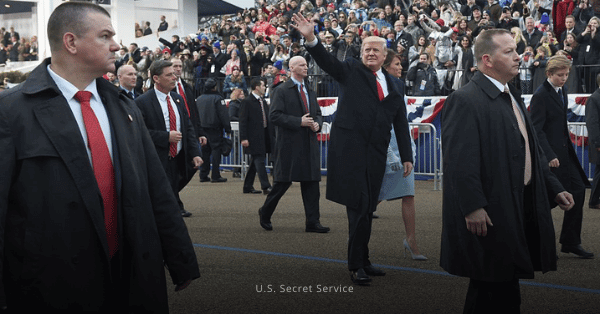
- The U.S. Secret Service is a prestigious federal law enforcement agency operating under the Department of Homeland Security.
- Founded in 1865, its initial mission was to combat the counterfeiting of U.S. currency, a threat that jeopardized the nation’s economic stability.
- However, following the tragic assassination of President William McKinley in 1901, the agency’s role expanded to include the protection of the President, a responsibility that has since become its hallmark.
- The US Secret Service is part of the Department of Homeland Security, not the Department of Defense.
The Protective Mission of U.S. Secret Service
- The Secret Service is entrusted with the critical task of protecting the President, Vice President, President-elect, Vice President-elect, and their immediate families.
- This elite agency also provides security for former Presidents and their spouses, as well as major presidential and vice presidential candidates in the final 120 days leading up to a general election.
- The Secret Service is responsible for ensuring the physical security of the White House, the Vice President’s residence, and foreign diplomatic missions in Washington D.C.
- Additionally, it plays a vital role in securing high-profile events designated as National Special Security Events, including the State of the Union address and presidential inaugurations.
Functioning and Powers
- The US Secret Service boasts two specialized teams that work in tandem to ensure the safety of the nation’s leaders.
- Counter-Sniper Team – Equipped with long-range binoculars and precision sniper rifles, this team scans the horizon for potential threats. Their expertise in surveillance and marksmanship provides a vital layer of protection.
- Counter-Assault Team – This team is trained to neutralize threats with swift and decisive action. Their mission is to create a secure perimeter, allowing other agents to safely evacuate the protected individual.
- Pre-Event Protocol
- Before large-scale events like campaign rallies, Secret Service agents conduct thorough sweeps of the venue, searching for potential bombs or security breaches.
- They are supported by the Military’s Explosive Ordnance Disposal teams and advanced communication resources.
- Empowered to Protect
- Secret Service agents have the authority to carry firearms and make arrests without warrants if they have reasonable grounds to believe a crime has been committed.
- This empowerment enables them to respond swiftly and decisively in high-pressure situations.
- These elite teams and tactics demonstrate the Secret Service’s unwavering commitment to protecting the nation’s leaders and ensuring the safety of the American people.
- Secret Service agents have the authority to carry firearms and make arrests without warrants if they have reasonable grounds to believe a crime has been committed.
SPG (Special Protection Group) vs. U.S. Secret Service: What’s the Difference?
- While both agencies are dedicated to protecting high-profile individuals, the key difference lies in their scope and jurisdiction.
- Origins and Mandate:
- The SPG was formed in 1988 with a singular focus: to provide proximate security to the Prime Minister of India.
- In contrast, the USSS was established in 1865 to combat currency counterfeiting, later expanding its role to protect the President and other high-profile individuals.
- Scope of Protection:
- The SPG’s mandate is limited to providing security to the serving Prime Minister and their immediate family.
- In contrast, the USSS has a broader scope, protecting the President, Vice President, their families, presidential and vice-presidential candidates, and former Presidents and their spouses for life.
- Tenure and Resignation:
- SPG personnel are assigned for a fixed six-year tenure and are not allowed to resign during their deputation.
- USSS agents, on the other hand, can resign freely and are typically assigned to protective details for three to five years before being transferred.
- International Coordination:
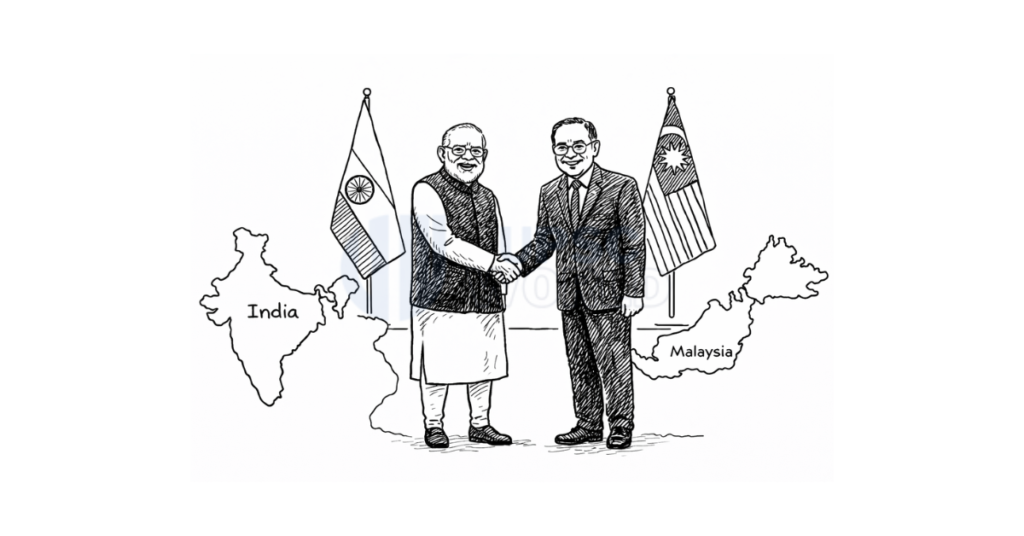
- When the Indian Prime Minister visits the United States, the SPG takes a backseat, and the USSS assumes primary security responsibilities.
- The USSS also coordinates with foreign agencies to protect visiting heads of state, including the Indian Prime Minister.
- Operational Differences:
- The SPG boasts an unblemished record, while the USSS has experienced a tragic loss, the assassination of President John F. Kennedy.
- Additionally, SPG personnel are drawn from various paramilitary forces, whereas the USSS has its own dedicated agents.
Latest News
- 16 July 2024:
- During a campaign rally in Butler, Pennsylvania, an apparent assassination attempt was made on Donald Trump.
- The suspected gunman, identified as 20-year-old Thomas Matthew Crooks, fired up to eight shots from an AR-15-style rifle before being neutralized by a Secret Service sharpshooter.


Responses