
Cloud Seeding

- Cloud seeding is a kind of weather modification technology to create artificial rainfall.
- It works only when there are enough pre-existing clouds in the atmosphere.
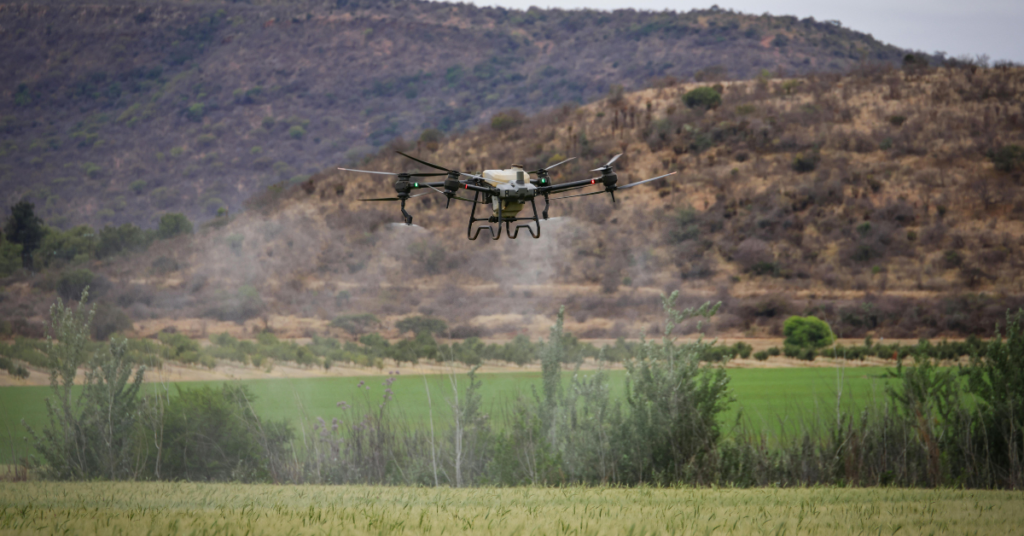
- Drones are charged into the clouds and cause an electric shock due to which they clump together and cause rainfall.
- In this process either silver iodide, potassium iodide or dry ice (solid carbon dioxide) is dumped onto the clouds causing rainfall.
- Cloud-seeding chemicals can be dispersed in clouds in two ways:
- By Fly-through aircraft or
- By Ground-based dispersion devices that use rockets or guns to fire canisters into the sky.
Benefits
- It improves a cloud’s ability to produce rain or snow, supplements the rainwater supply.
- It cleans the atmosphere by introducing tiny ice nuclei into certain types of subfreezing clouds.
- These nuclei provide a base for snowflakes to form.
Dangers
- So far, experts haven’t found any harmful effects of cloud seeding with silver iodide on the environment.
- But Silver iodide can be toxic to aquatic life.
- The concentration of silver in a storm from cloud seeding is far below the accepted limit of 50 micrograms per litre.
Cloud Seeding in India
- In India, these operations were conducted during the years 1983, 1984–87,1993-94 by Tamil Nadu Govt due to severe drought.
- In the years 2003 and 2004 Karnataka government initiated this technique.


Responses