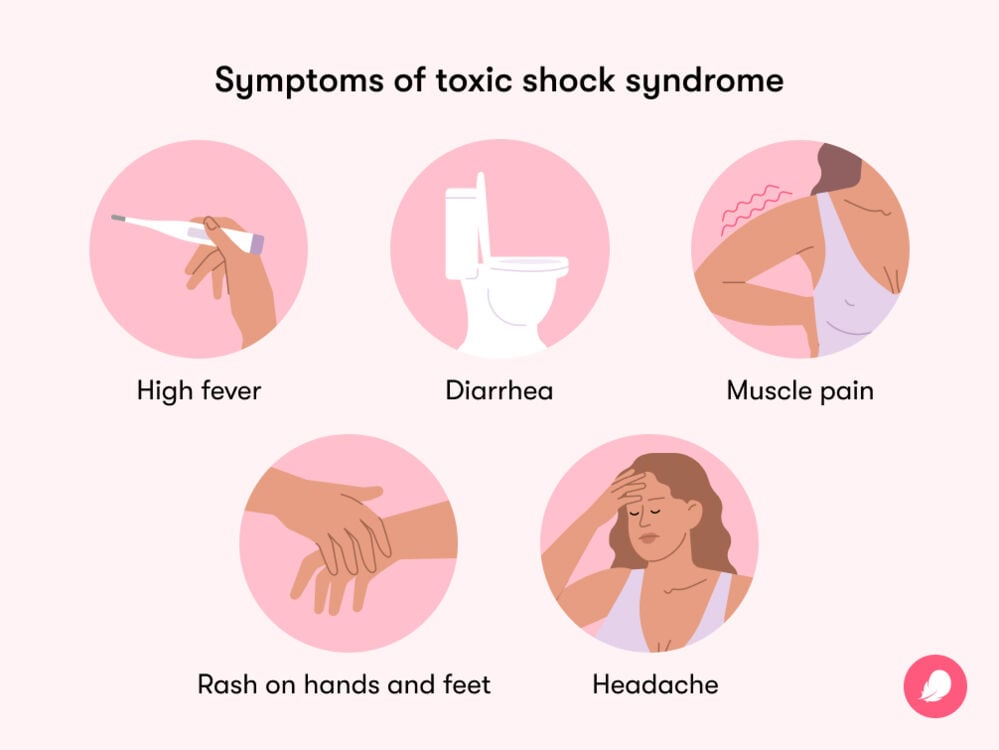
Toxic shock syndrome (TSS) is a rare but life-threatening medical condition caused by bacterial toxins, typically affecting young women.
TSS is caused by the production of toxins by certain types of bacteria, including Staphylococcus aureus and Streptococcus pyogenes.
The symptoms of TSS include a sudden onset of fever, vomiting, diarrhea, abdominal pain, and a characteristic rash, which can progress rapidly to severe complications.
The use of tampons during menstruation is a significant risk factor for developing TSS, particularly when using super-absorbent tampons or leaving them in for extended periods.
Menstrual cup use has also been linked to an increased risk of TSS.
TSS can be diagnosed based on a combination of clinical symptoms and laboratory tests, including blood cultures and polymerase chain reaction (PCR) assays.
Immediate hospitalization is essential for individuals suspected of having TSS, and treatment typically involves the administration of antibiotics and supportive care, such as fluid replacement and oxygen therapy.
In severe cases, surgical debridement may be necessary to remove dead tissue and promote healing.
Interesting Facts about Toxic shock syndrome
TSS was first identified in 1978, and its association with tampon use was recognized in the early 1980s.
The incidence of TSS has decreased significantly since the 1980s, thanks to increased awareness and changes in tampon design and use.
TSS can occur in men and children, although this is rare.
Latest News
June 2024:
A recent study published in the Journal of Clinical Microbiology investigated the genetic characteristics of S. aureus strains associated with TSS, providing insights into the pathogenesis of the disease. (Source: American Society for Microbiology)
The Centers for Disease Control and Prevention (CDC) continue to monitor TSS cases and provide guidance on prevention and management. (Source: CDC website)