
Trans-Pacific Partnership (TPP)


- The Trans-Pacific Partnership (TPP) is a trade agreement between countries bordering the Pacific Ocean, aimed at promoting economic growth, jobs, and innovation by reducing trade barriers and increasing exports.
- According to the World Trade Organization (WTO), the TPP is a “comprehensive and high-standard regional trade agreement” that aims to “promote economic integration, stimulate economic growth, and enhance trade and investment among the parties.”
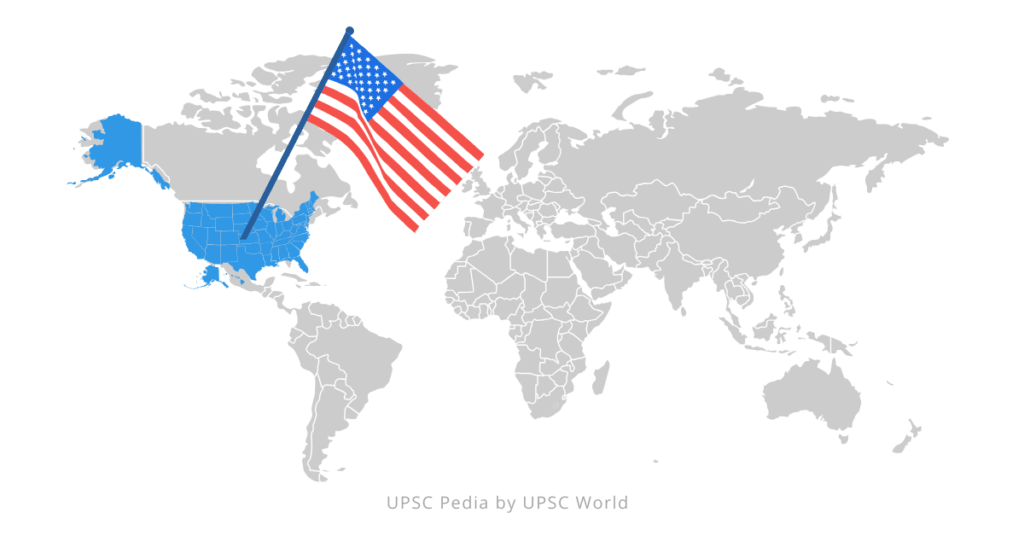
- The TPP was signed in 2016 by 12 countries: Australia, Brunei, Canada, Chile, Japan, Malaysia, Mexico, New Zealand, Peru, Singapore, the United States, and Vietnam.
- The agreement covers a wide range of areas, including:
- Trade in goods and services
- Investment
- Intellectual property
- Labor and environmental standards
- Dispute resolution
- The TPP aims to:
- Eliminate tariffs and other trade barriers
- Simplify customs procedures
- Enhance transparency and cooperation among member countries
- Promote economic development and competitiveness.
- However, the agreement could not come into effect as all the 12 nations needed to ratify it.
- The only country to have ratified the pact was Japan.
- The United States pulled out of the deal after Trump came to power.
Interesting Facts about Trans-Pacific Partnership (TPP)
- The TPP represents around 40% of global GDP and 25% of international trade.
- The agreement is designed to be a “living agreement,” with built-in mechanisms for updating and expanding its provisions.
- The TPP has been seen as a key component of the United States’ strategic pivot to Asia, and a counterbalance to China’s growing economic influence in the region.
Latest News
- June 2024:
- The Comprehensive and Progressive Agreement for Trans-Pacific Partnership (CPTPP), the successor to the original TPP, has come into effect for Malaysia, making it the ninth country to join the agreement. (Source: The Star).

Responses